

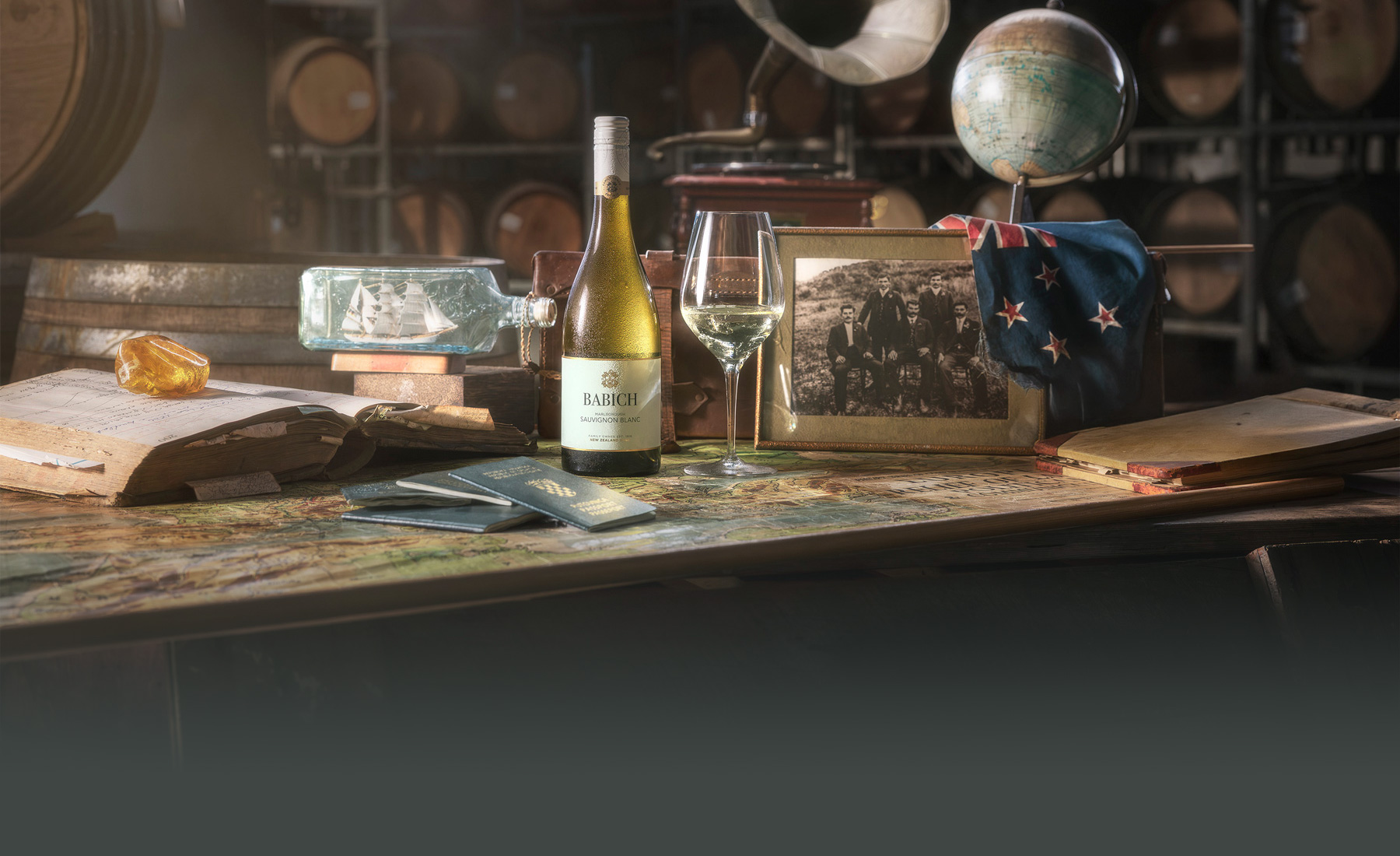
Unbottled Stories
Origins
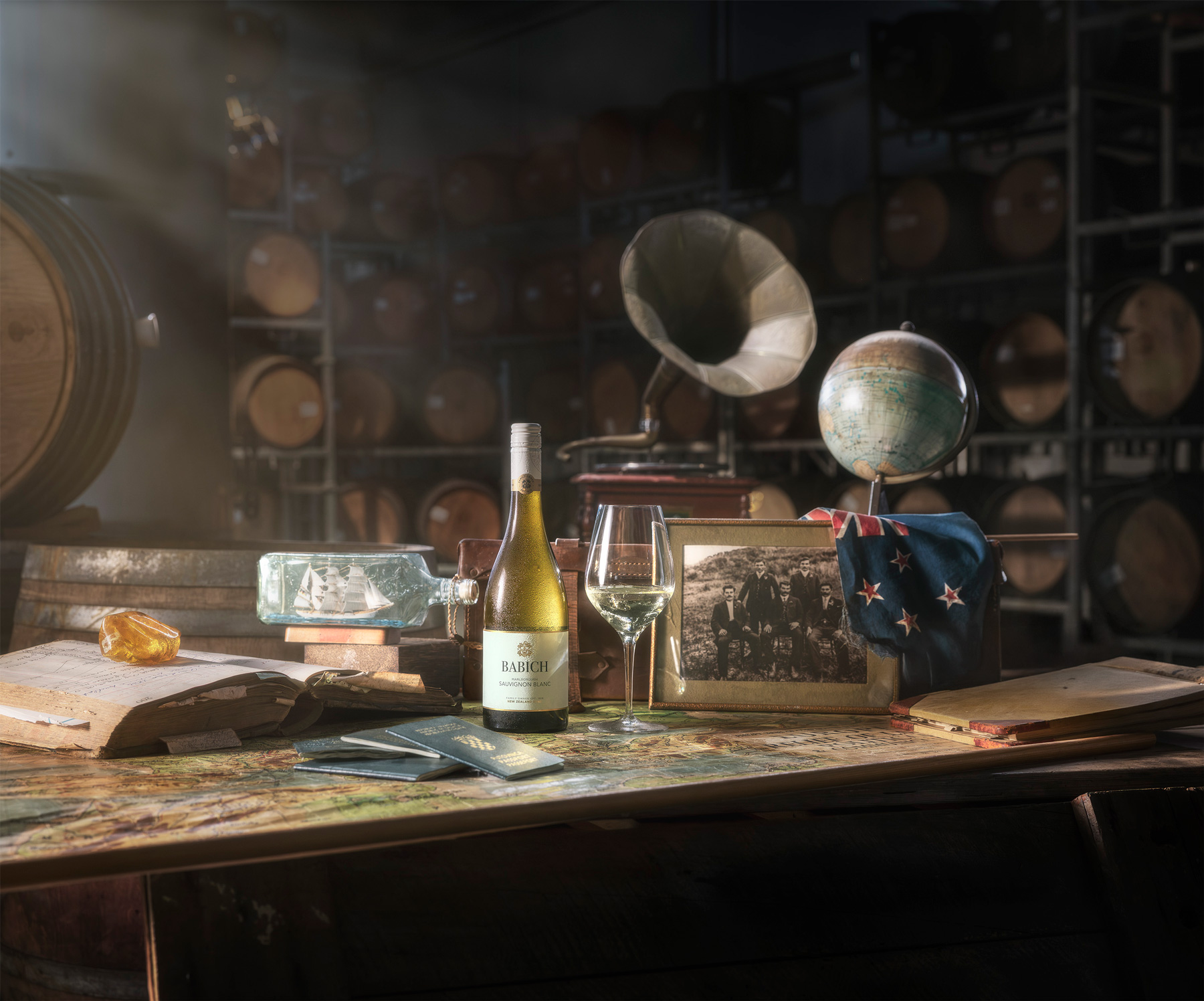
In the early 1900s, it started with a goodbye. From 1904 to 1910, Dalmatian peasant Petar Babich watched five of his teenage sons board steamships, leaving what’s now Croatia for New Zealand, in search of a better life.
They arrived with a boatload of determination. Soon enough, digging for Kauri tree gum in the swamps of northern New Zealand turned into grape growing on a patch of dirt further south, in Henderson Valley, Auckland, that would become Babich Road.
Before long, there was Babich winery. And a name that started to travel.
Seventy years later, a wine importer came knocking, looking to send New Zealand wine to Germany.
It was a sight Petar could’ve never imagined. A container truck travelling up the same dusty road his sons had built, carrying bottles of wine made by his grandsons all the way back to Europe, not far from where the story began.
The Babich name had come full circle.
Babich Wines | Lasting Character
Joe and Judy
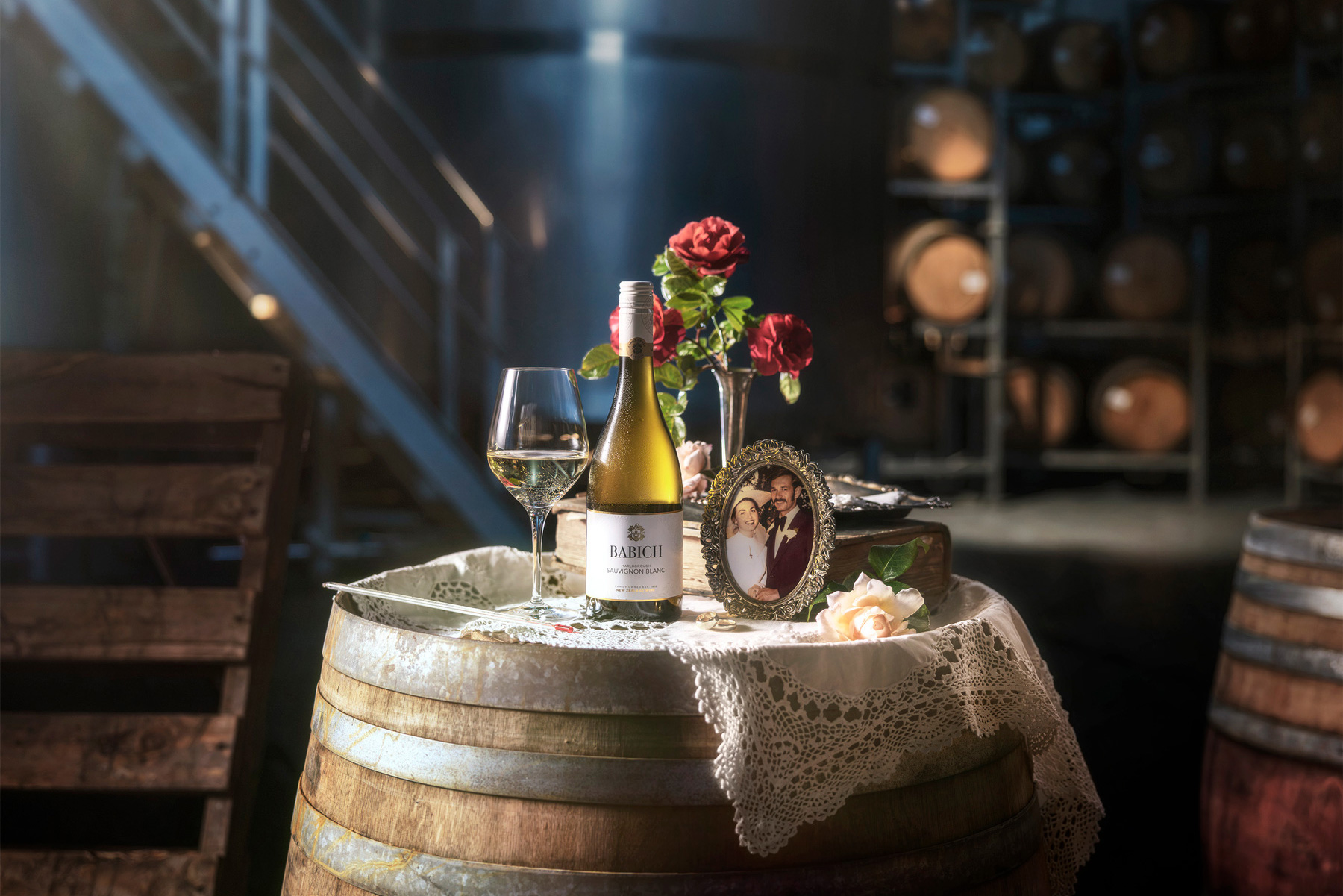
Winemaker Joe Babich had encountered Judy on phone calls to the local pharmacy, where his father Josip would stop in to pick up medication or other supplies.
Not much seemed to be happening between Joe and Judy, the exotic Hungarian pharmacist. So, Josip intervened with an invitation for her to visit the winery.
Three years later, Joe and Judy were married.
Judy didn’t just become part of the family. As a pharmacist, she applied what she knew about chemistry and pH levels to wine science, taking over the winemaking analysis at Babich Wines.
And Josip? It turned out he’d got his timing right.
Because after that, he never had to intervene again.
Babich Wines | Lasting Character
Making Wine in Secret
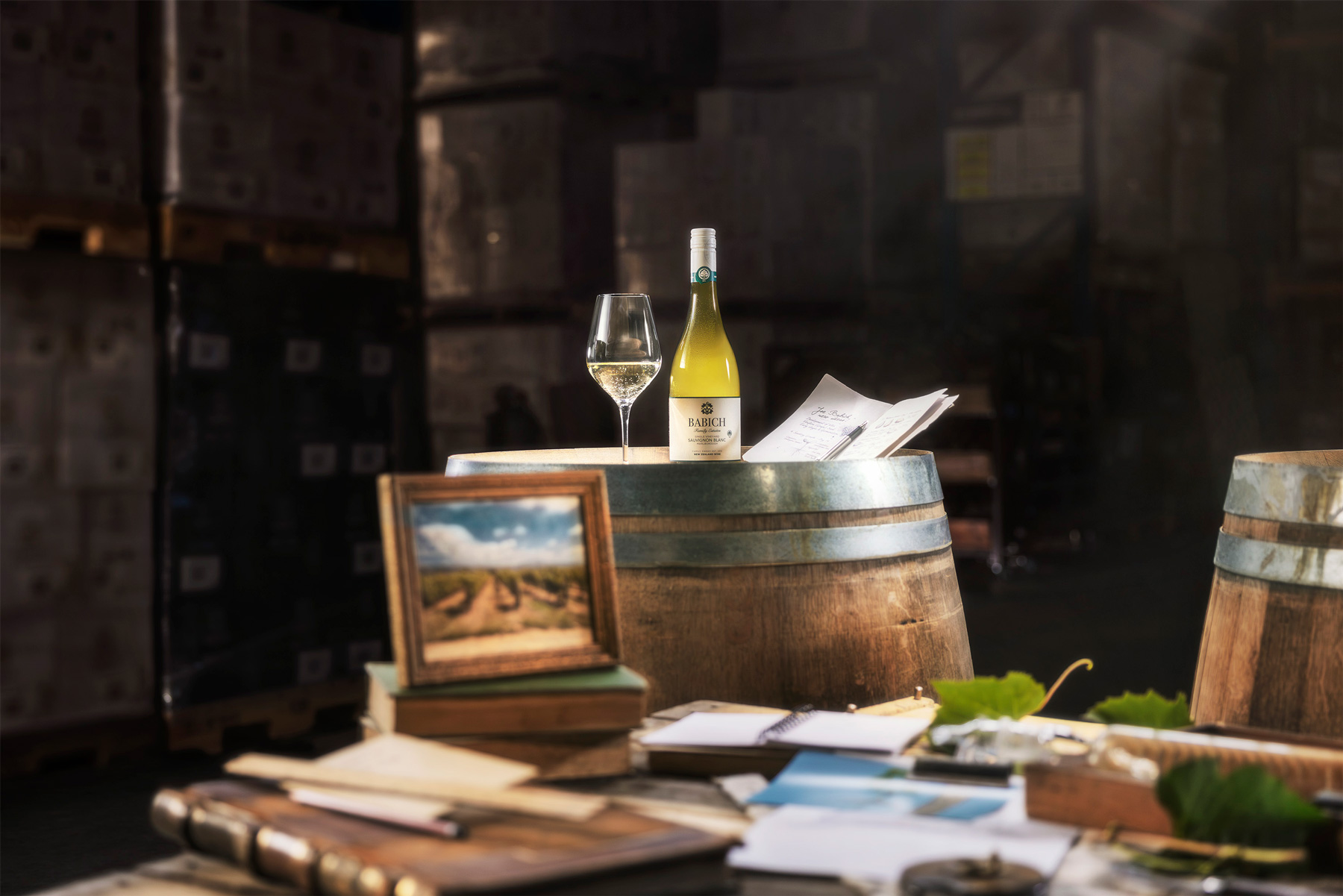
New Zealand winemaking was evolving in the 1980s and in classic fashion, winemaker Joe Babich wanted to do things a little differently.
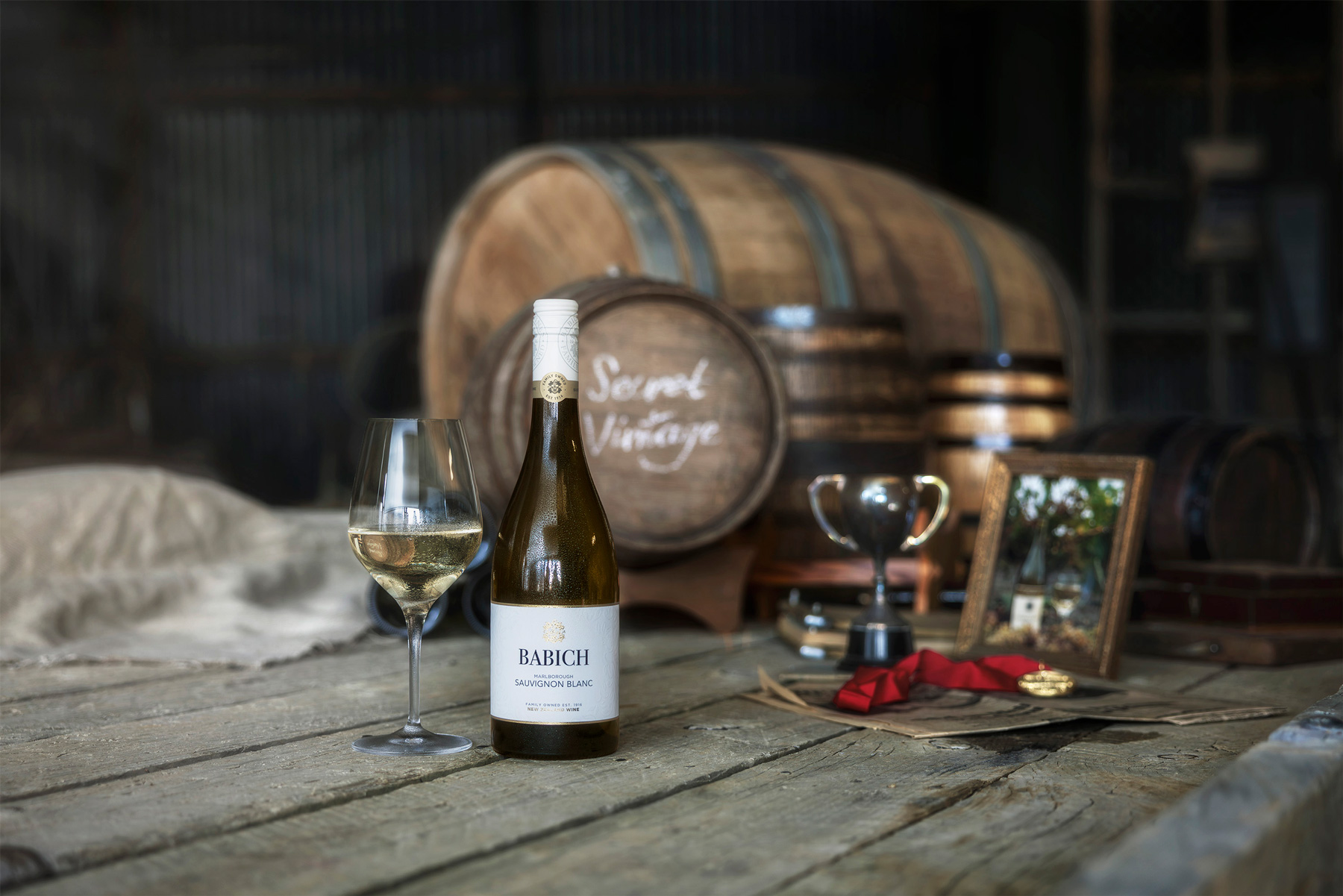
But trying something new came with an inconvenient price tag, so he secretly filled three barrels with an undisclosed wine and tended them after hours, right under the noses of his winemaking colleagues and family.
Not for a private stash but because he believed he was onto something.
Having still not let the cat out of the bag, Joe secretly entered the finished wine into the 1985 national wine competition in New Zealand, where the truth came out in the form of a gold medal, followed by a trophy.
After all the secrecy, the wine did all the talking.
Until the awards dinner that is. When accepting the Vintners’ Trophy for best current vintage white wine of the show, Joe stood up and described to the audience, step by step, exactly how he’d made the wine.
Because for him, it was never really about the award or keeping a secret. It was about a passion for the craft of New Zealand winemaking.
Babich Wines | Lasting Character
Peter’s Nicknames
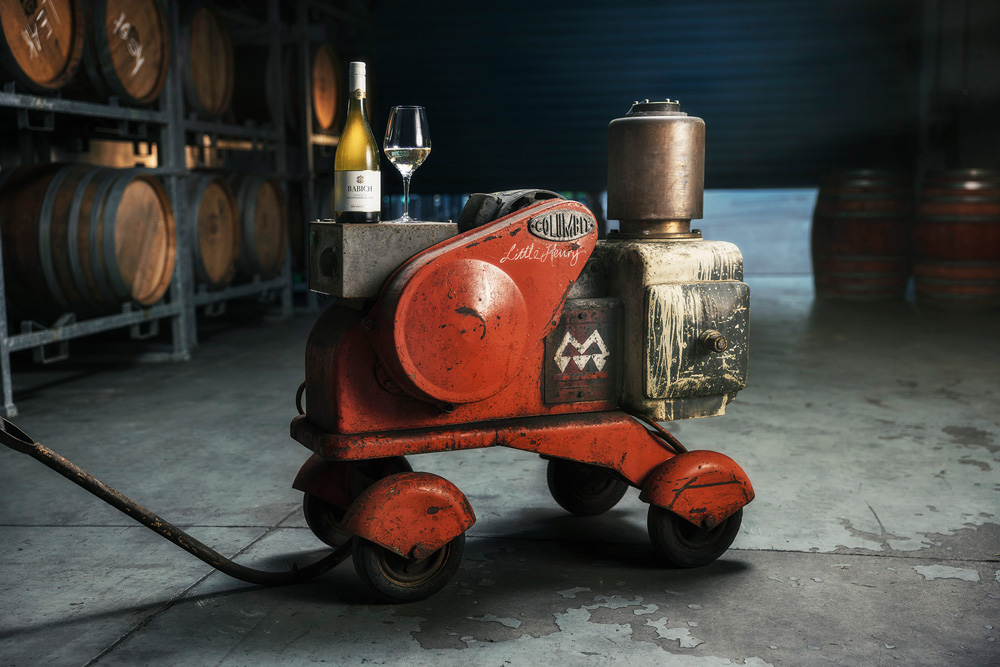
If you spend even a little time in the Babich winery in Auckland, you’ll inevitably meet Little Henry. He’s been working at Babich for over 40 years and like a few others around here, he’s earned his place over time.
But until you meet him, you’d never guess that Little Henry is a Manzini liquid transfer pump.
That’s how things tend to work at Babich. If you’d been around long enough, you got a Peter Babich nickname.
It was hard to keep up with Peter’s naming system. Brother Joseph became Bill. Wife Lise was Chuck. Sister Maureen, Sprocket.
Over time, those names stuck. Because at Babich, if you’re part of the place, you’re part of the family. Even if you’re a machine.
Babich Wines | Lasting Character
American GIs
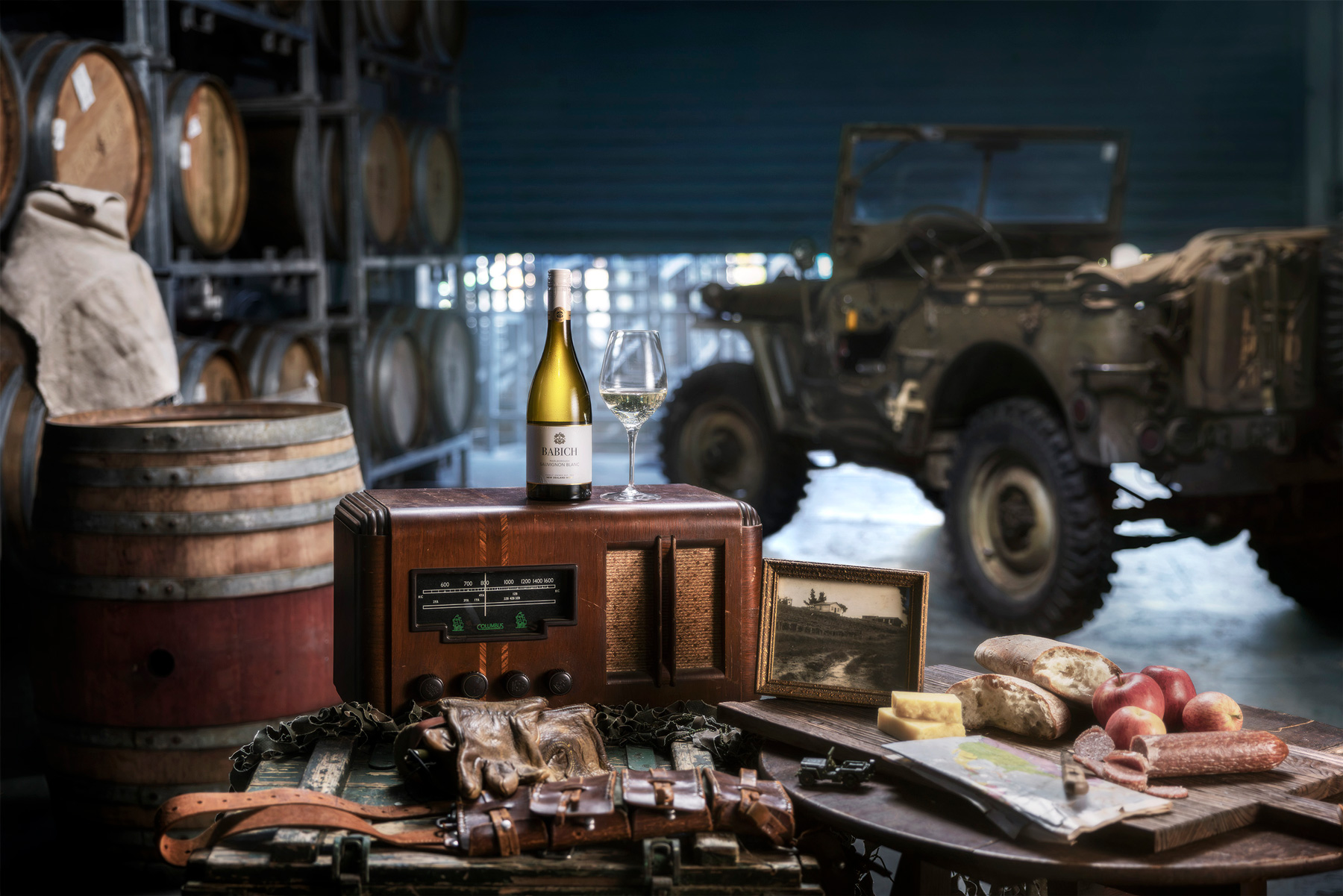
In the 1940s, American GIs on R&R in New Zealand between World War 2 duties were a long way from home.
A few went looking for a good bottle of wine. So, they wrangled a Jeep and made their way up Henderson Valley in search of something familiar.
They found Babich Wines, where the welcome was warm and the wine in their glass felt a little closer to home.
Babich Wines | Lasting Character
Line of Cruisers
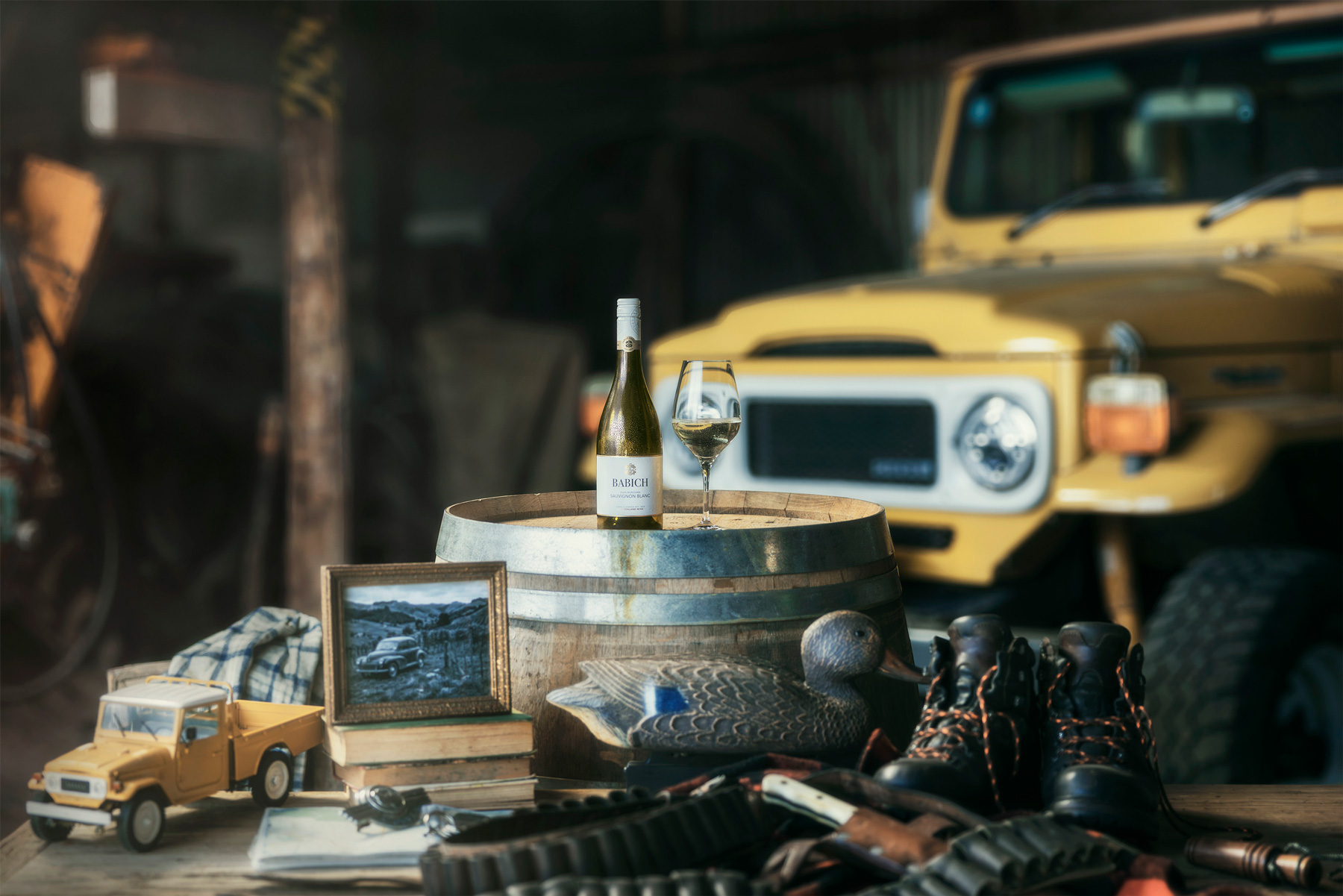
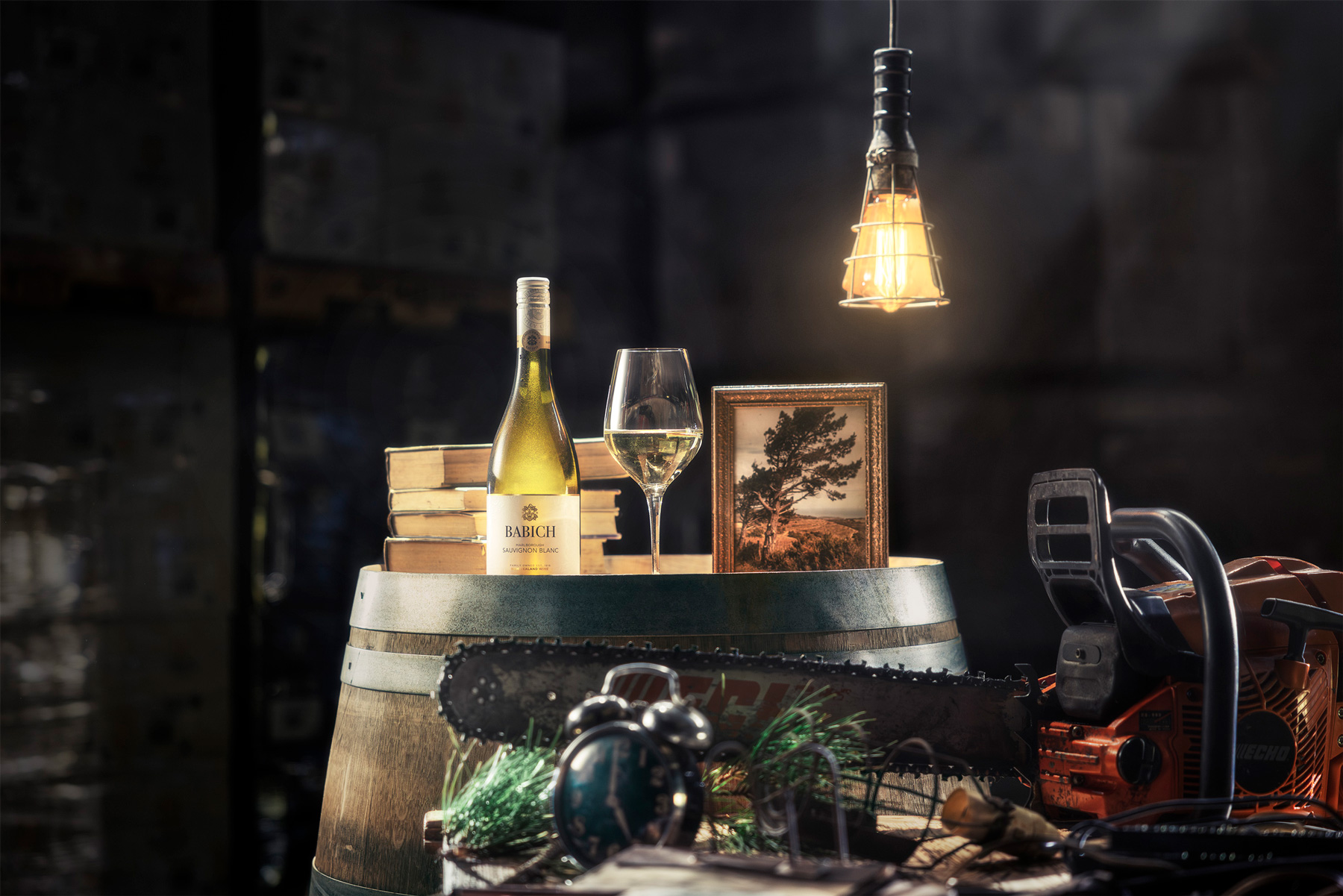
The Babich family once owned a two door, bubble framed Morris car. But it wasn’t quite up to the job for Peter Babich, not with hunting gear, dogs, and New Zealand native bush to contend with.
So, the winery switched to a Landcruiser.
It was tough, reliable, hardworking, and a jack of all trades. So it stuck. Over the years, one replaced the next, each becoming part of Babich life.
Today, David Babich carries on that legacy in his own 1984 Landcruiser. A link back to what came before. Though it’s probably doing a little less heavy lifting.
And David’s dog Roko the Spoodle isn’t quite as ferocious as his predecessors.
Babich Wines | Lasting Character
Organics
In 2006, winemaker Joe Babich wanted to learn about organic winemaking, so he began the best way possible – by doing it.
He planted a wide range of varieties in the stony Marlborough soils at a new vineyard site, previously a sheep farm, and tended them using organic techniques, launching a fascinating process of discovery, learned season by season.
It meant more work. And it changed the usual routine a bit.
But it’s an approach that’s continued at this vineyard ever since.
We quite like the wine as well.
Babich Wines | Lasting Character
Babich Security
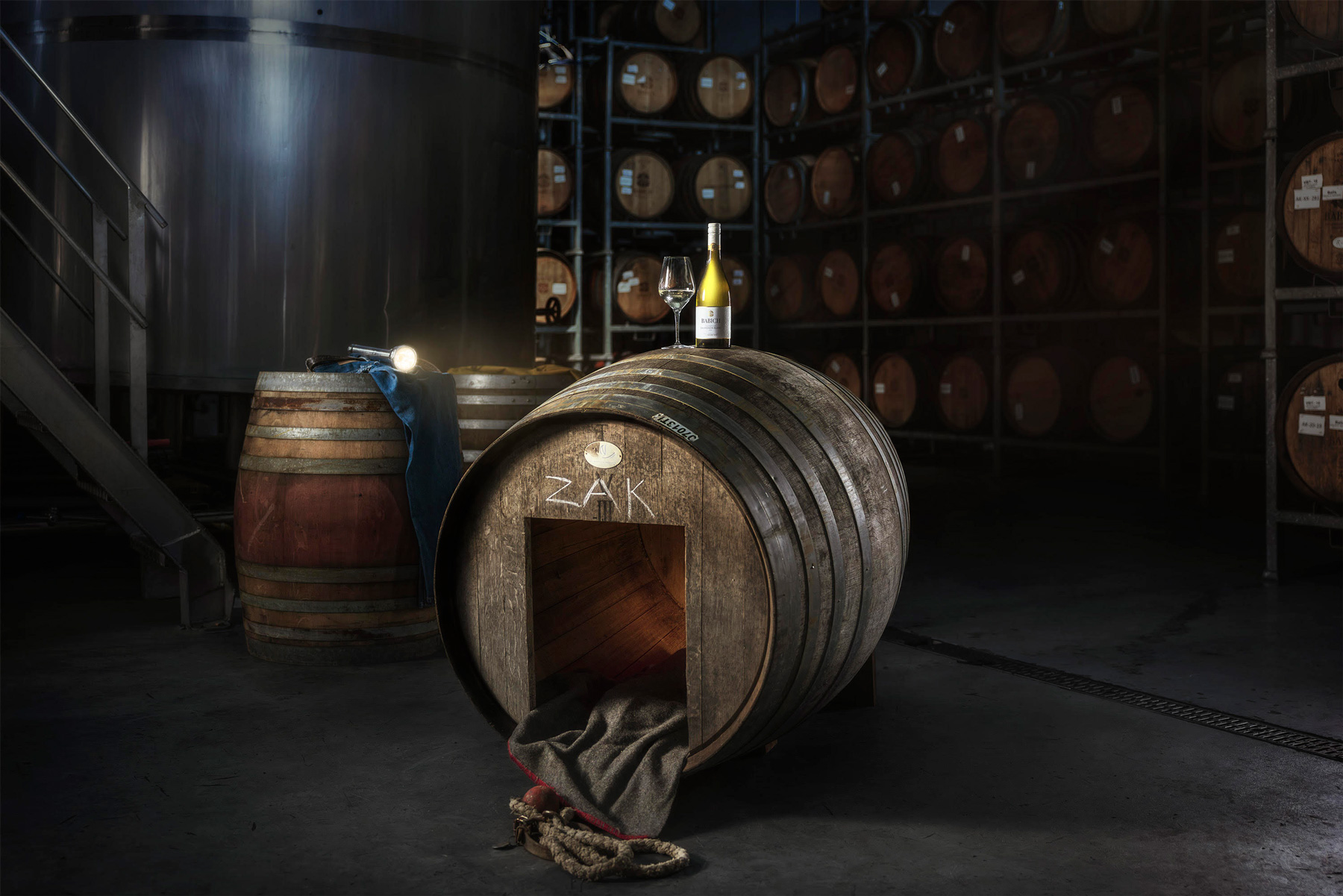
The team didn’t ask for much, but they were always on the job, day and night, keeping an eye on things.
Most of the neighbours knew them by name and spoke highly of them. And they knew to stay on the right side of the fence.
But one man didn’t.
He learned his lesson the hard way after jumping the fence uninvited and encountering Zak, the 90-pound German Shepherd.
Babich Wines | Lasting Character
Nine Lives
Working at the Babich winery has always been hands-on.
And it’s the kind of work where things don’t always go to plan.
That has come with its fair share of close calls and Peter Babich had his share of those. Enough near-death experiences that you might think he’d slow down.
He didn’t.
There was always more to do. Things to fix. Vines to tend. Finances to understand. Industry issues to address.
And he kept at it. For over 70 years.
It’s the kind of work that leaves a mark. On hands, on family, and on the generations that follow.
Babich Wines | Lasting Character
Super Beetle
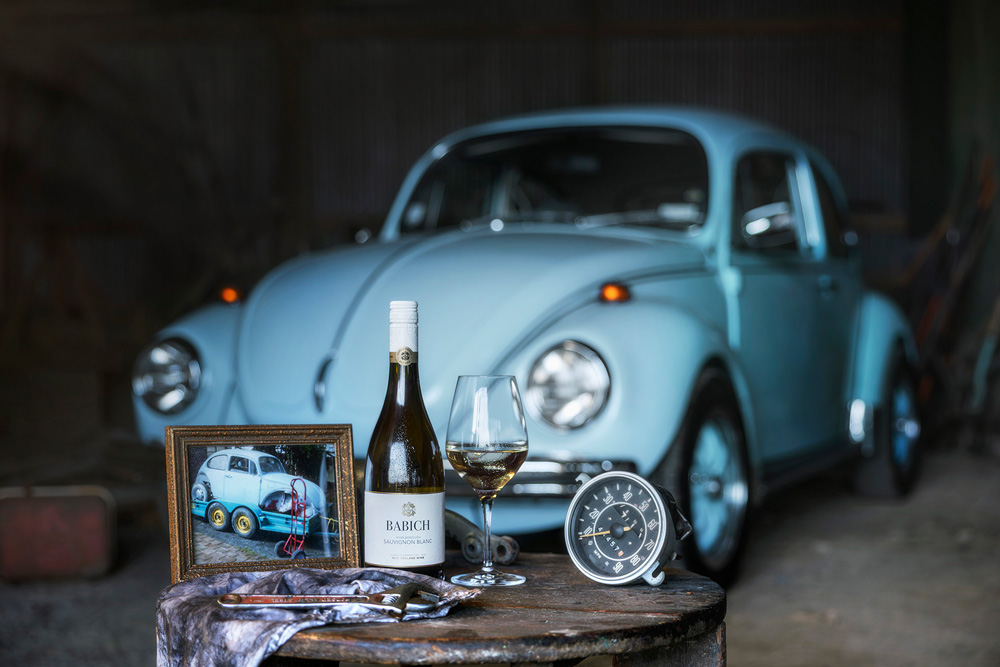
At Babich, there’s a duck-egg blue 1971 1302s VW (also known as a Super Beetle) that once belonged to Uncle Géza, though for years it sat in pieces, quietly rusting under a tarpaulin.
When it came time to clear things out, André Babich and his father Joe couldn’t let it go.
So, they bought another Beetle of the same model and vintage, plus some shiny new parts, and set about blending the best components to restore the car, working out of an old blockwork garage at the winery built by Joe’s father, Josip.
Not quickly. Weekends, spare time, bit by bit. Sorting through what could be used, and what couldn’t.
It took the better part of a decade. But eventually, it turned over again.
And like a few things at Babich, it became more than what it started as. A way of holding onto what came before, and a measure of the same slow-grown craft and attention behind every bottle of Babich wine.
Babich Wines | Lasting Character
Numbers of Babich Road
If you ever find yourself on Babich Road, the numbers might not make immediate sense.
Babich winery is number 15. Next door is number 9.
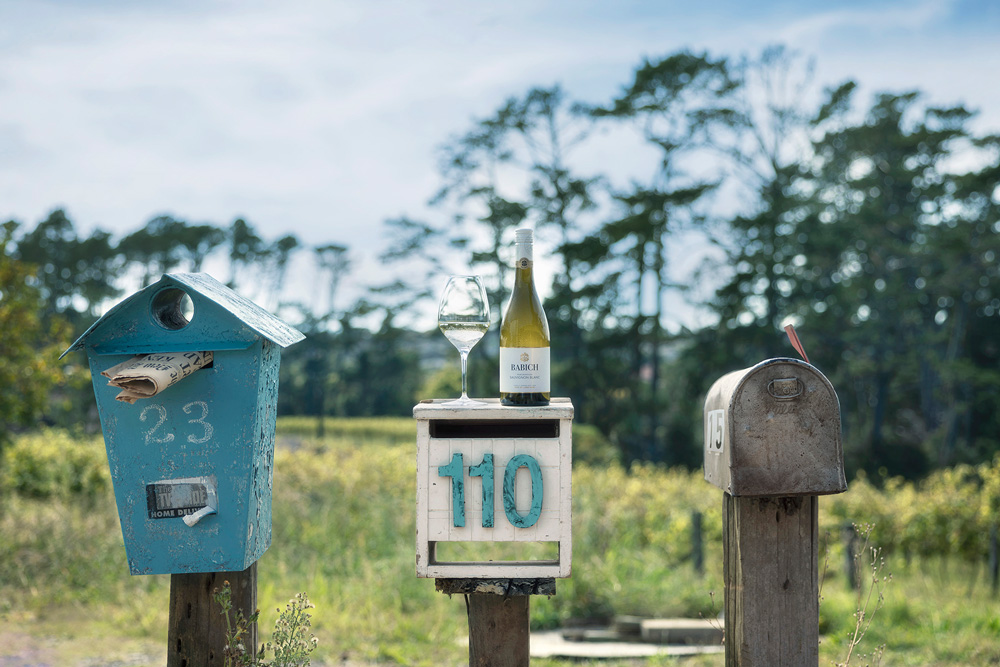
It wasn’t even always as good as that. In the early days, it was just the Babich family out here. No numbers, just buildings. Mail was addressed to Babich Road and left in a shared mailbox at the top of the road. Somehow, the mail always found its way.
When the area grew and numbers became necessary, the Babich family simply made them up.
Further up the road, a newer stretch of several dozen houses now share just a handful of numbers, appended with letters to somehow make them work.
Yes, the numbers don’t always run in an expected order and finding your way around requires a certain amount of intuition. But then again, great intuition has always been Babich Wines’ finest ingredient; even when the numbers don’t perfectly stack up.
Babich Wines | Lasting Character
Christmas Day
At Babich, hard work has always been part of the story, so too has knowing when to stop and mark the moment.
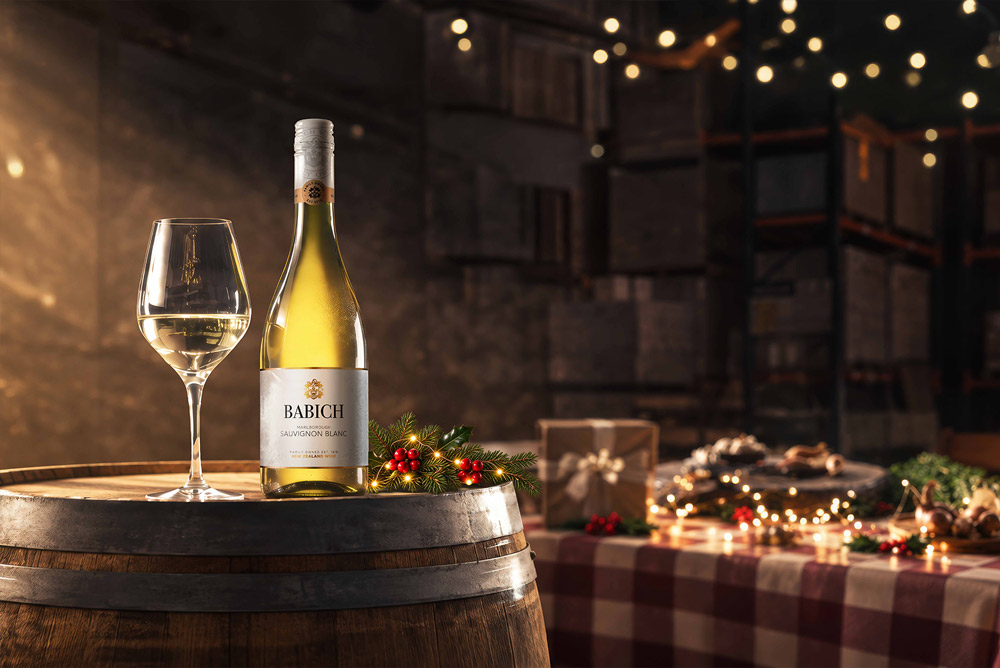
Each year, no matter how busy things get, one day is set aside. The fire is lit, the lamb goes on the spit, and family gathers.
It’s been that way for generations.
Because the work might never really stop.
But taking the time to celebrate it matters just as much.
Lasting Character. More than a century in the making, and still going.
RECIPE
Babich Whole Spit-roasted Lamb
For decades, a whole lamb on the spit has been part of the Babich family’s holiday celebrations, a tradition rooted in our Croatian heritage. Joe Babich preferred coals for their smoky flavour. Peter Babich preferred gas for its convenience and control. These days, gas usually wins out, with garlic tucked into the meat, rosemary and onions inside, and a wine baste brushed on throughout. We still give it around five and a half hours. Some family traditions deserve a little patience.
Cooking: approximately 5 ½ hours (depending on lamb size and equipment)
Resting: 20-30 minutes
Ingredients
- Whole lamb: approximately 12-15kg (26 ½ – 33 lb), dressed and prepared by your butcher for spit roasting
- Garlic: 4 bulbs: separate and peel the cloves from 2 bulbs, leaving the other 2 bulbs whole
- Onions: 3 large brown onions, peeled and quartered
- Rosemary: 1 generous bunch, reserving 2 tablespoons (30ml) of chopped leaves for the baste and some sprigs for the cavity
- Fine salt: approximately 120 – 150g (4 ¼ – 5 ¼ oz), allowing 10g per kilogram of lamb; divide between the cavity, exterior and reserve 5g (0.18oz) for the baste
- Wine: 1 bottle of Babich Marlborough Pinot Noir, 750ml (25 ½ US fl oz), with an extra available if needed
- Dried mixed herbs: 1 tablespoon (15 ml)
Equipment
- A motorised outdoor spit suitable for the lamb’s weight and length, with matching forks, spine brace and leg restraints
- Enough gas for the full cook, or charcoal and lighting equipment for a charcoal spit
- Food-safe stainless steel trussing wire, or butcher’s twine and a trussing needle
- A large food-safe preparation surface, carving tray, small sharp knife, carving knife and fork
- A bowl or jug and long-handled basting brush
- A meat thermometer, heat resistant gloves and foil
- Another pair of hands for mounting and lifting the lamb
Cooking steps
- Prepare the spit
Keep the lamb refrigerated until preparation. Set up the spit outdoors on stable ground, following the equipment instructions.Preheat the gas spit to its recommended roasting setting.
For charcoal, establish an even bed of glowing coals without direct flames. - Add the garlic
Pat the lamb dry. Make small incisions in the shoulders and rump, pushing a peeled garlic clove into each. Keep the cuts just large enough to hold the cloves. - Season the cavity
Reserve 5g (0.18oz) of salt for the baste. Rub approximately 60 – 75g (2 ⅛ – 2 ⅝ oz) inside the chest and abdominal cavity.
Add the onions, whole garlic bulbs and rosemary sprigs. Leave some space rather than packing the cavity tightly. - Secure the lamb
Mount and balance the lamb using the spit’s forks, spine brace and leg restraints, following the equipment instructions. Close the cavity with food-safe trussing wire or butcher’s twine.
Secure loose limbs and check the lamb turns smoothly without slipping. Season the outside with the remaining salt. - Mix the baste
Combine the wine, chopped rosemary, mixed herbs and reserved 5g (0.18oz) of salt in a bowl or jug. Stir before each use. - Roast and baste
Keep the lamb turning continuously over steady heat, brushing lightly with the baste every 20-30 minutes. Adjust the heat or spit height if it browns too quickly and manage any flare-ups.
We usually aim for around 5 ½ hours. Allow longer if needed for the lamb’s size, equipment or weather. - Check the temperature
Check the thickest parts of both shoulders and hind legs with a meat thermometer, avoiding bone and the spit rod. Each point checked should reach between 63°C – 71°C (143°F – 160°F) for 30 seconds for medium.
Check tenderness too, and continue cooking if necessary. Use temperature rather than time or colour alone to judge when it is ready. - Rest and carve
With help and heat-resistant gloves, transfer the lamb to a clean carving tray. Cover loosely with foil and rest for 20-30 minutes.
Remove all fixings, wire and twine before carving. Discard the cavity aromatics and leftover baste, then serve on warm platters with your chosen sides.